- 63639 66571
- Malleshwaram, Bengaluru.
Advanced Surgical Solutions for Your Well-Being
At Aura Cutisurg, we offer a wide range of surgical solutions to treat various conditions with advanced techniques. Whether you’re undergoing minor or major surgery, our team of skilled surgeons, led by Dr. Sunil Kumar V, is committed to providing the highest level of care and expertise. From laparoscopic procedures to general surgery, we ensure a patient-centered approach to deliver the best possible outcomes.
Our clinic is equipped with state-of-the-art technology to perform both minimally invasive and traditional surgeries, ensuring quicker recovery times and minimal discomfort for our patients. Whether you’re in need of a routine procedure or complex surgery, you can trust us to provide safe and effective solutions
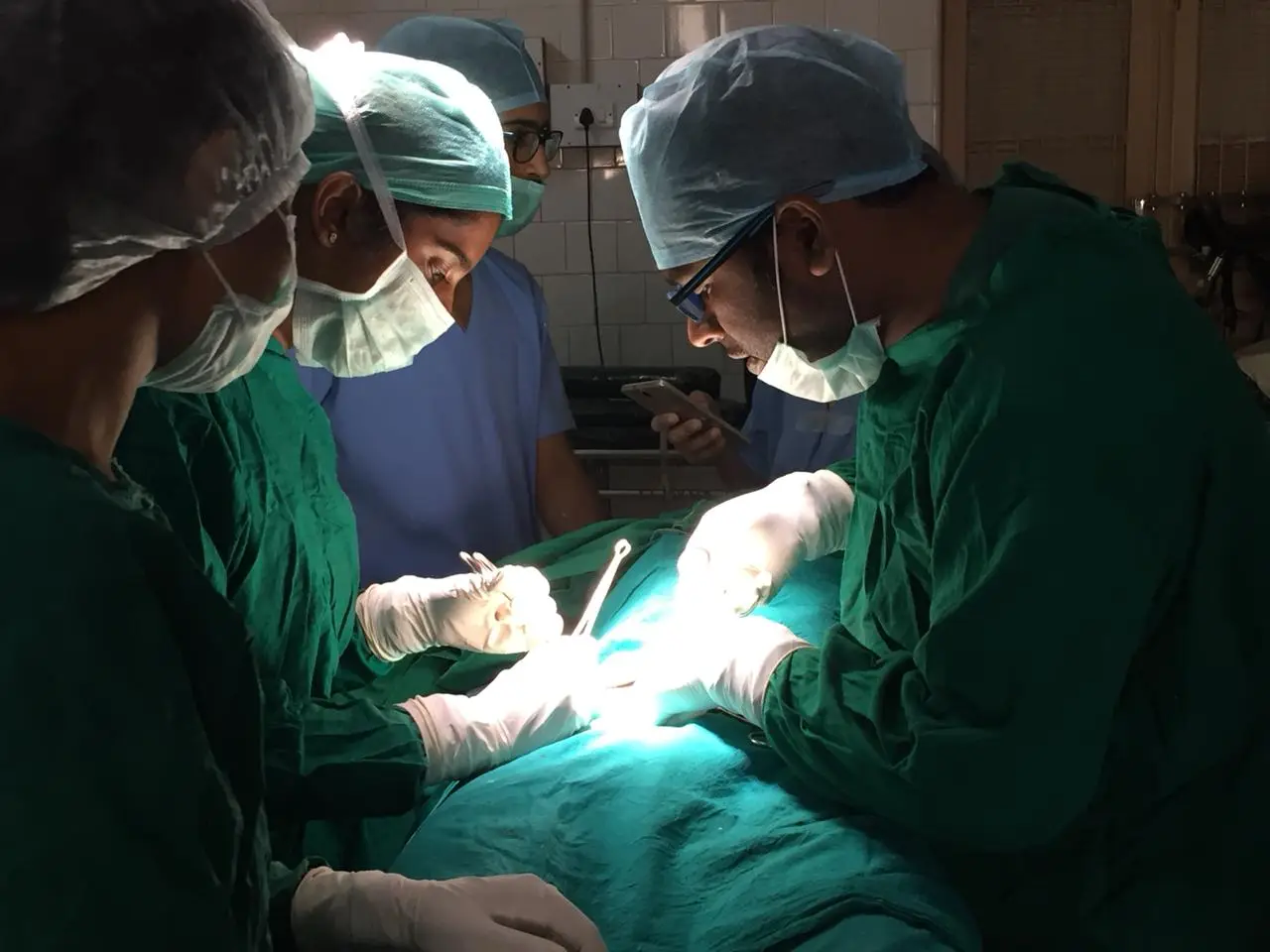
Our specialists treat both acute and chronic wounds, utilizing advanced dressings and techniques to promote healing and prevent complications. From diabetic ulcers to surgical wounds, we ensure optimal wound management.
We provide effective treatments for common anorectal diseases, including non-surgical methods for hemorrhoids and advanced surgical options for fissures and fistulas, ensuring minimal discomfort and speedy recovery.
An appendectomy is performed to remove an inflamed appendix in case of appendicitis. Our surgeons use minimally invasive techniques to minimize recovery time and scarring.
Cholecystectomy is the surgical removal of the gallbladder, typically due to gallstones. We use advanced laparoscopic techniques for a quicker recovery and minimal pain.
This procedure is used to remove dead or infected tissue from wounds to promote healing. It is especially important in treating chronic wounds, burns, and ulcers.
We provide both traditional and laparoscopic hernia repair techniques. Laparoscopic surgery is less invasive, leading to reduced pain and quicker recovery.
Surgical intervention for hydrocele is offered through minimally invasive methods for quick recovery and reduced risk of complications.
We perform incision and drainage to treat abscesses and infections, ensuring safe and efficient drainage of infected fluids to promote healing.
Laparoscopic surgery is a minimally invasive technique used to perform various procedures, from appendectomies to gallbladder removal, using small incisions and advanced tools for faster recovery and reduced scarring.
In cases where severe injury, infection, or disease has affected a limb, we offer safe and effective amputation procedures with a focus on rehabilitation and improving the quality of life.
We provide surgical removal of non-cancerous lumps, including fibroadenomas, cysts, and lipomas, with minimal scarring and a quick recovery.
Pilonidal sinus, a condition that affects the skin near the tailbone, is treated with advanced surgical techniques for long-term relief.
We perform resection and anastomosis for bowel and other organ strictures, ensuring restored function and improved health outcomes.
We provide safe and effective thyroid surgeries, including the removal of benign or malignant thyroid growths, using advanced techniques for minimal recovery time.
In cases of breast cancer or other conditions, we offer mastectomy surgery to remove breast tissue, with a focus on patient care and post-operative support.
We perform surgeries to remove varicose veins, offering relief from pain and discomfort, with a focus on long-term results.
Traditional surgery typically involves larger incisions and longer recovery times, while minimally invasive surgery uses smaller incisions, leading to quicker recovery, less pain, and minimal scarring.
Some surgeries require general anesthesia, while others may only need local anesthesia. Your surgeon will discuss the appropriate anesthesia options based on the type of surgery.
Recovery time varies depending on the procedure. Minimally invasive surgeries typically have a quicker recovery time, while traditional surgeries may require a longer healing period. Your surgeon will provide detailed aftercare instructions.
Surgery is not always the first line of treatment. Non-surgical options are explored first, and surgery is recommended when necessary for effective treatment or to improve quality of life.
Preparation for surgery may involve fasting for a specific period before the procedure, stopping certain medications, and undergoing pre-operative tests. Your surgeon will guide you through the necessary steps.
Most surgeries will leave some form of scarring, though techniques like laparoscopic surgery and specialized stitching methods help minimize visible scars.
While surgery is generally safe, all procedures carry some risk, such as infection or complications with anesthesia. Your surgeon will discuss the potential risks and take steps to minimize them.