- 63639 66571
- Malleshwaram, Bengaluru.
Expert Skin Care for a Healthier You
At Aura Cutisurg, we specialize in diagnosing and treating a wide range of skin conditions. Skin is the largest organ of your body and plays a crucial role in protection, sensation, and overall well-being. Our expert dermatologists provide comprehensive, evidence-based treatments to ensure your skin remains healthy, clear, and radiant.
Whether you’re dealing with acne, pigmentation, infections, allergies, or chronic skin conditions, we offer personalized care using advanced techniques and cutting-edge technology to help you achieve the best possible skin health.
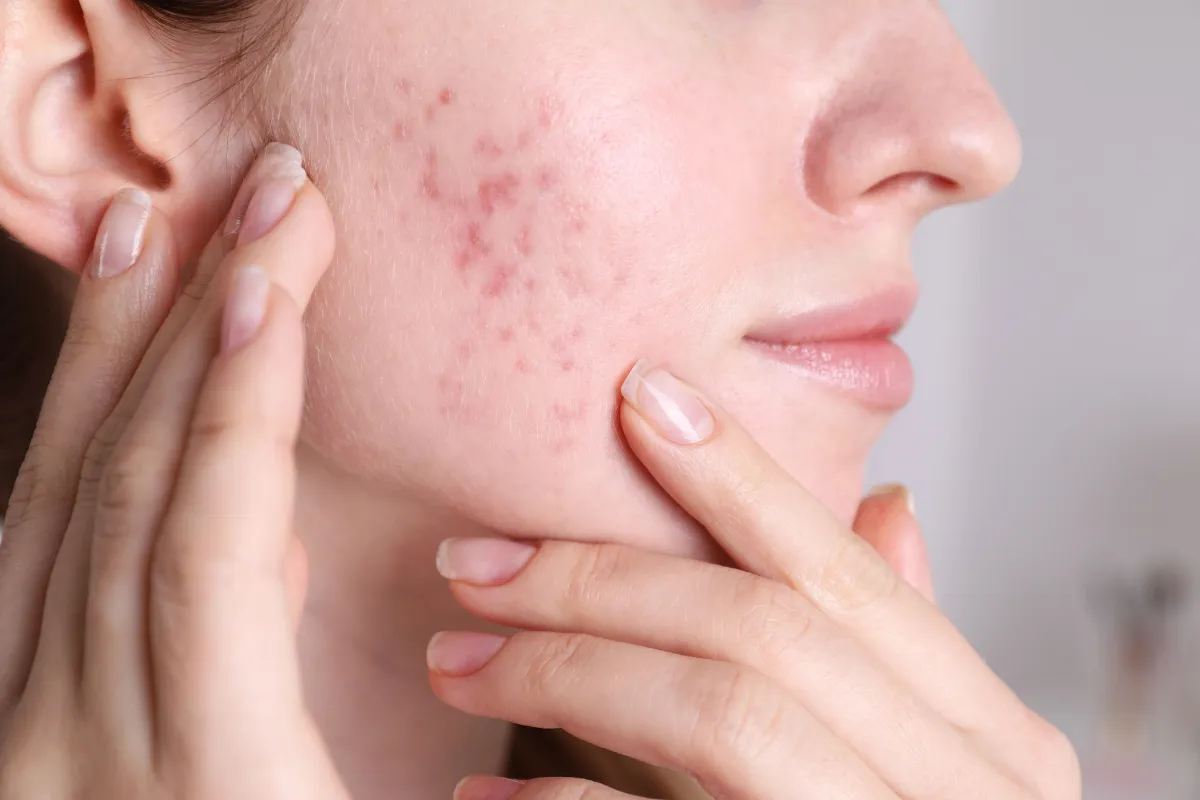
A common skin concern caused by clogged pores, excess oil, and bacteria, managed with personalized medical and procedural treatments.

A chronic, itchy skin condition that requires specialized skincare and advanced medical therapies for lasting relief.
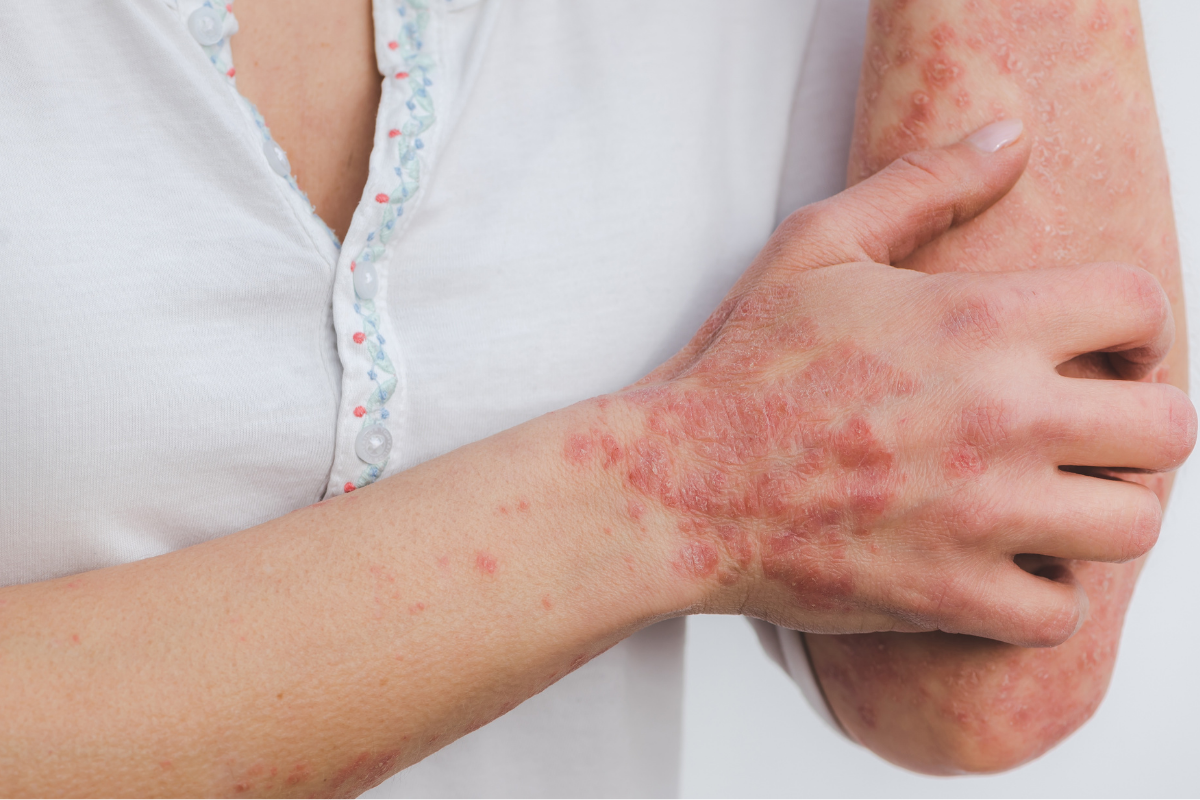
Skin-related autoimmune conditions like lupus and pemphigus are managed with cutting-edge immunotherapies and medications.
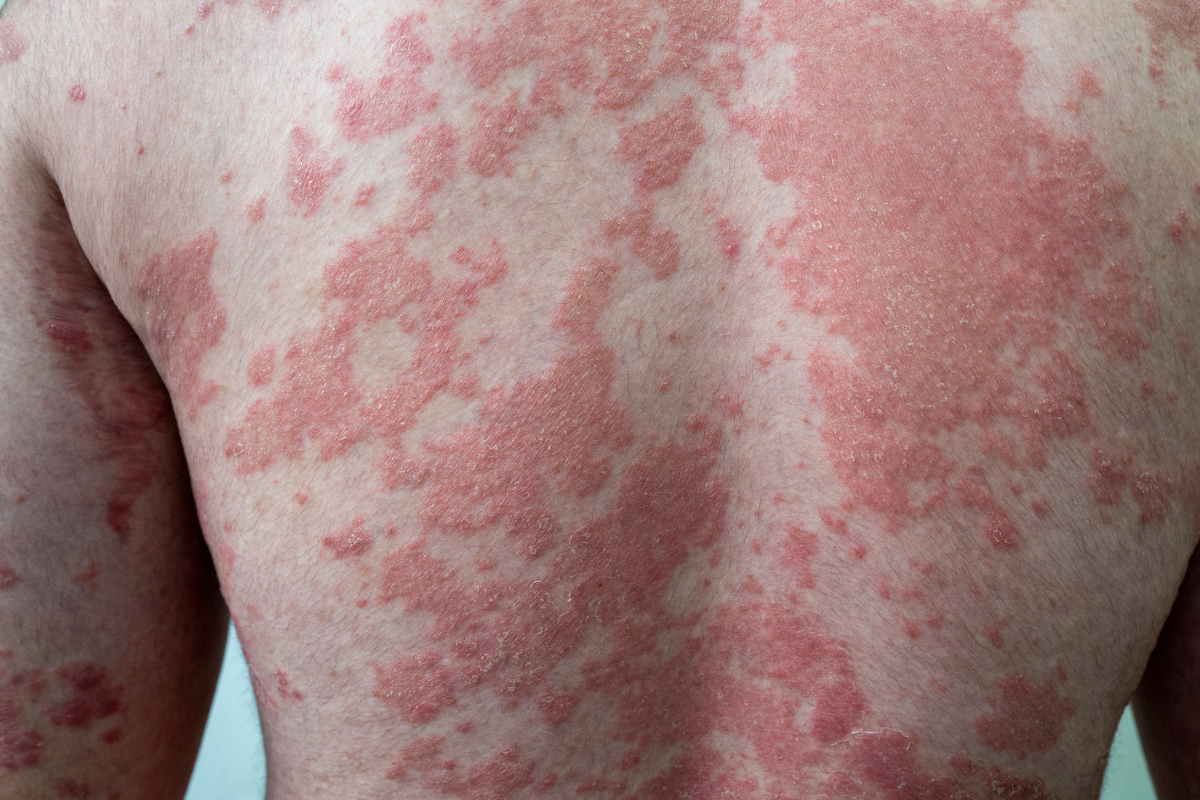
Advanced targeted treatments for chronic skin conditions like psoriasis and atopic dermatitis, ensuring long-term control.
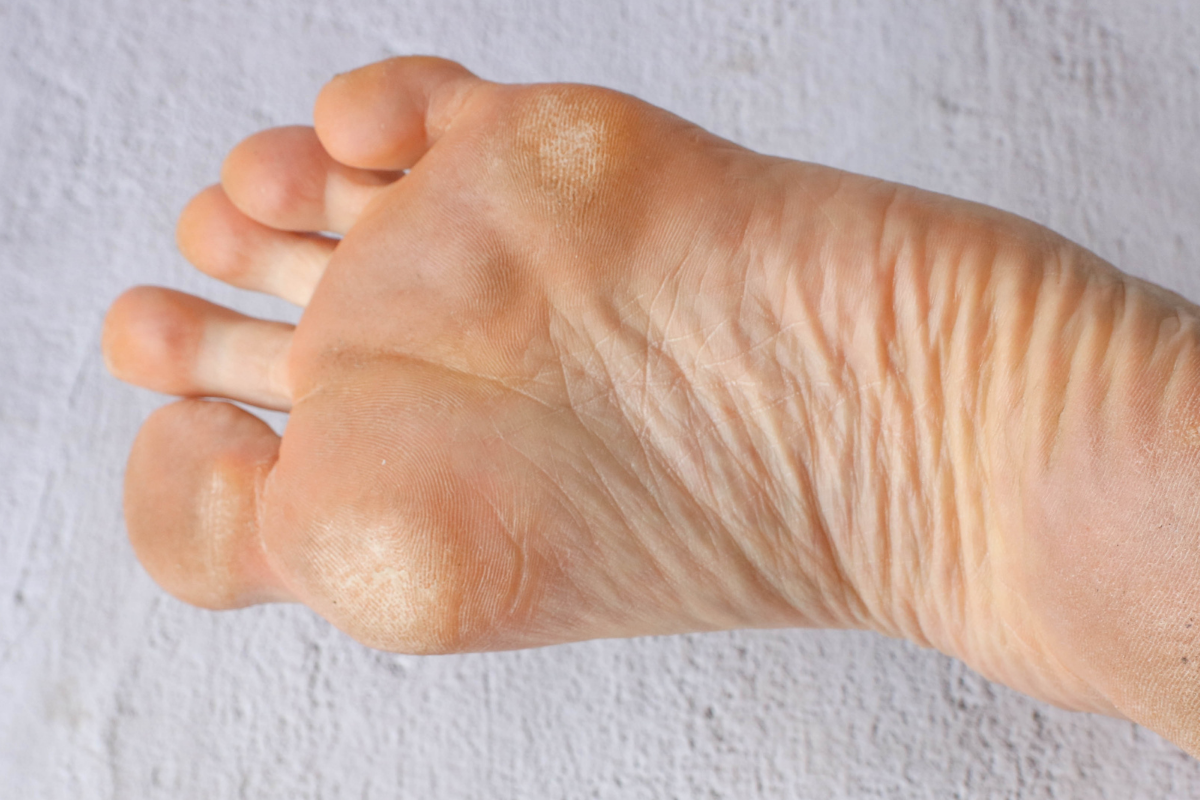
Thickened, hardened skin from repeated friction or pressure, treated with safe and effective dermatological interventions.
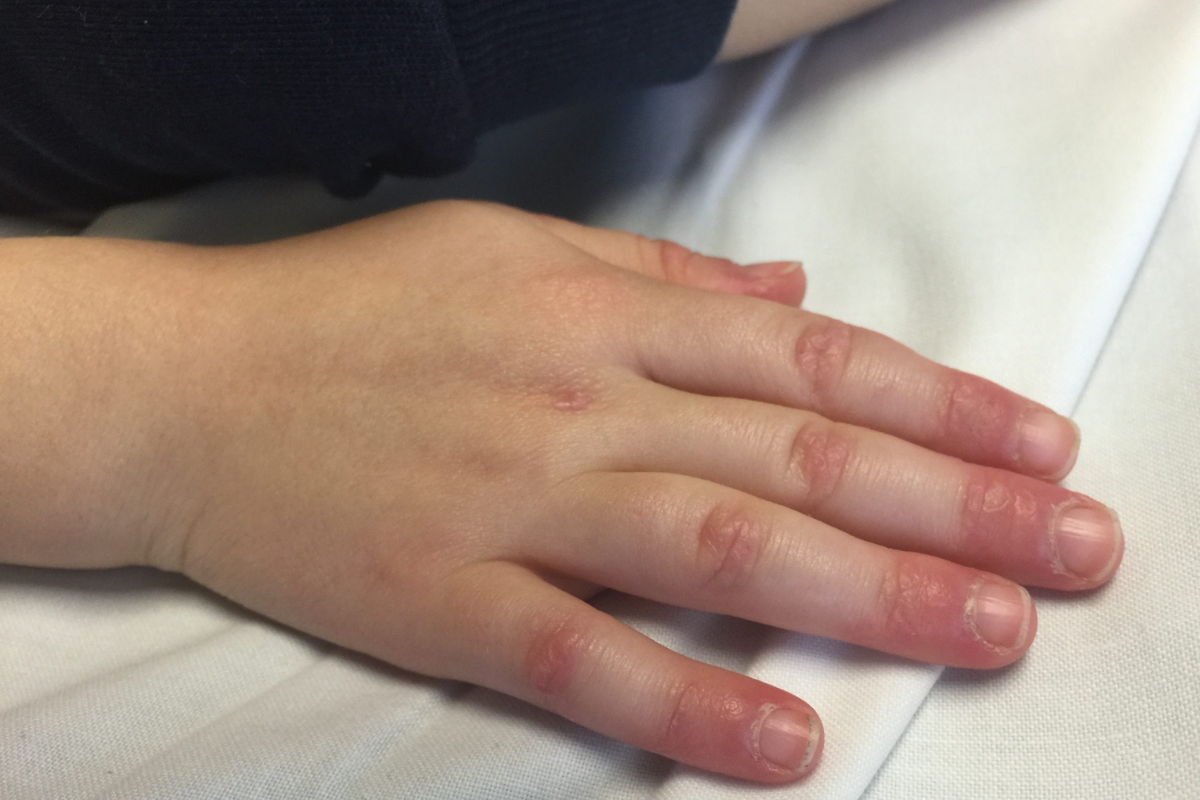
Conditions like scleroderma and lupus affecting skin elasticity and health, requiring multidisciplinary care.
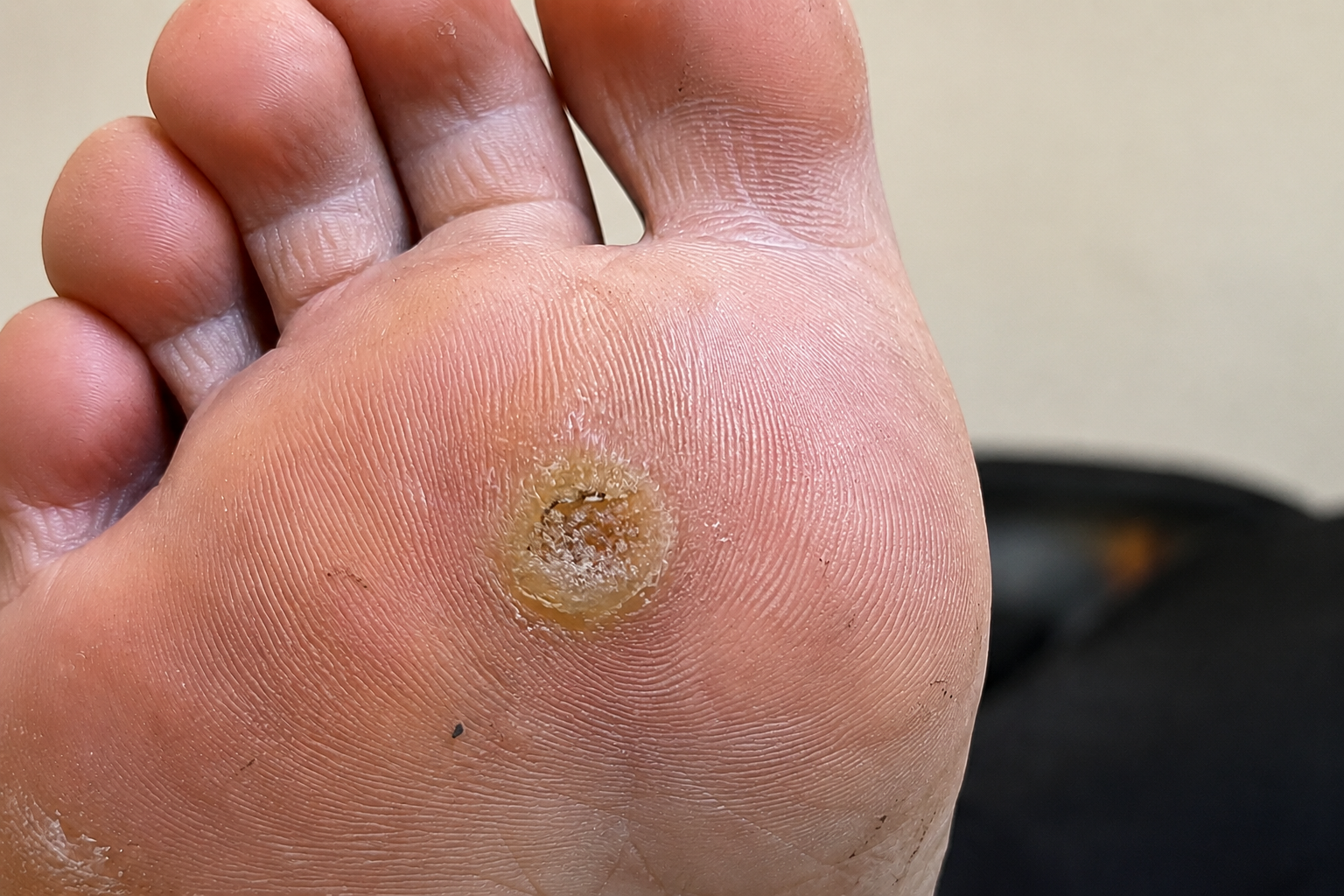
Painful thickened skin on the feet or hands, treated with non-invasive and surgical options for long-term relief.
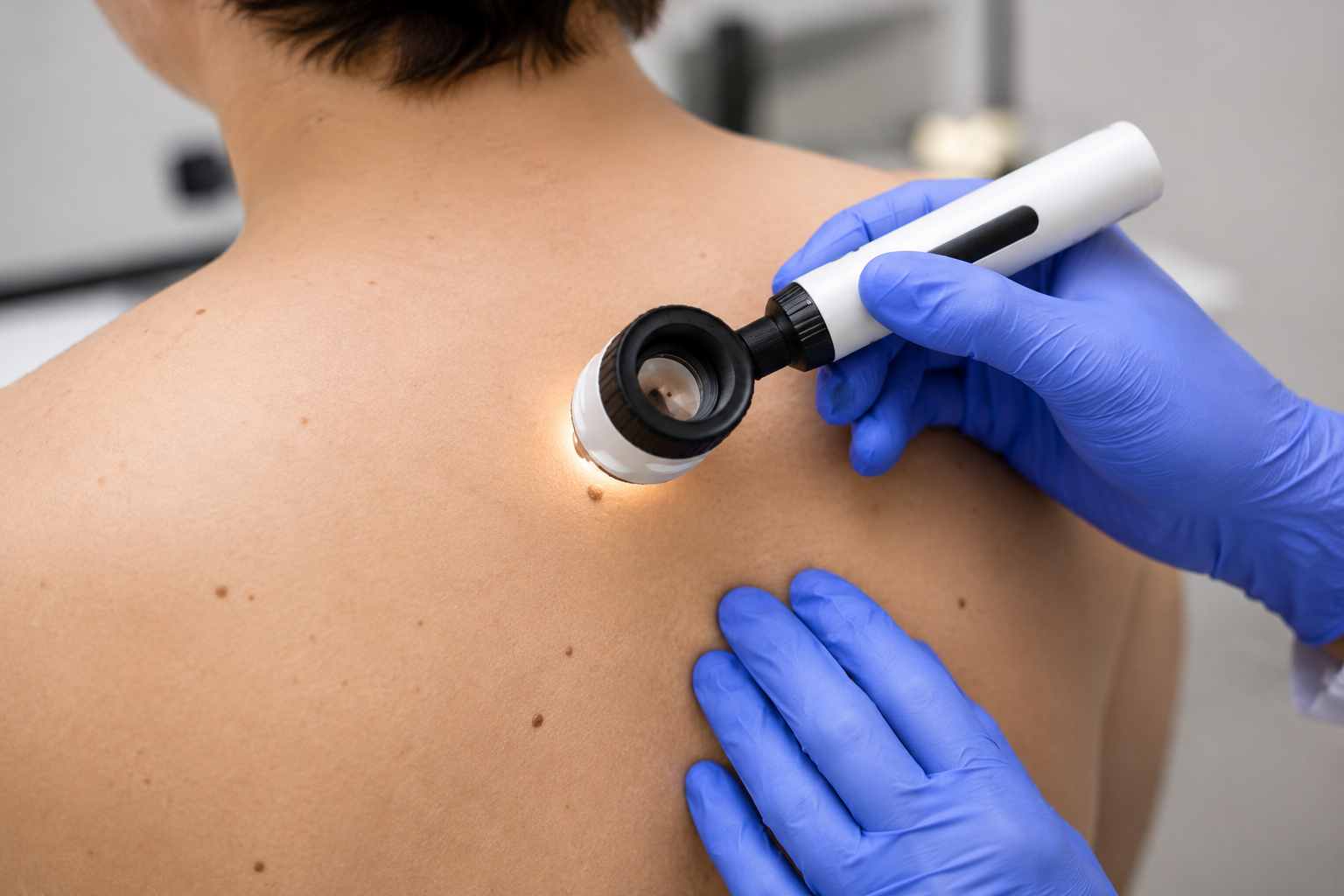
A non-invasive diagnostic technique for early detection of skin cancers, moles, and other abnormalities.
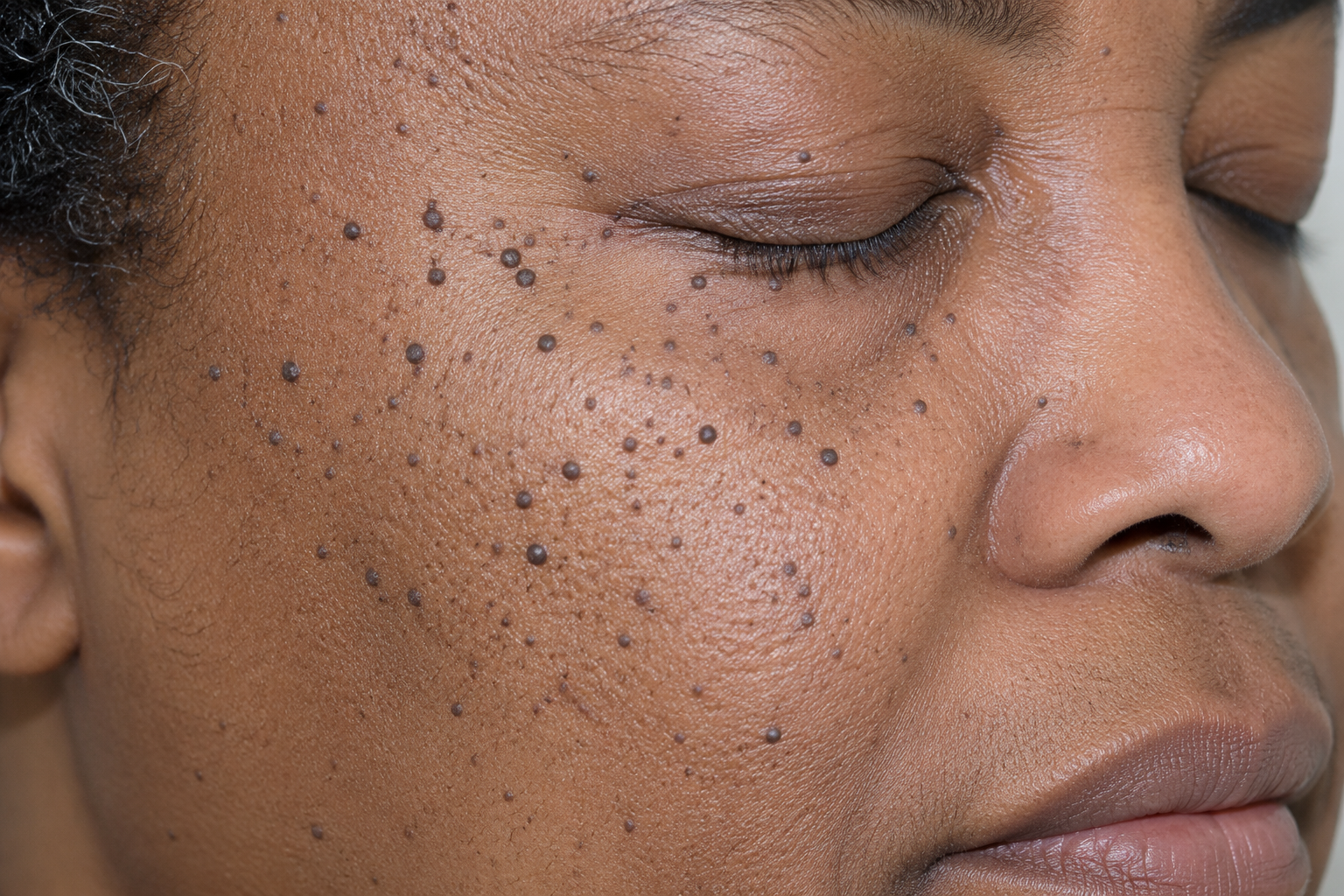
Small, dark skin growths common in darker skin tones, easily treated with advanced dermatological techniques.
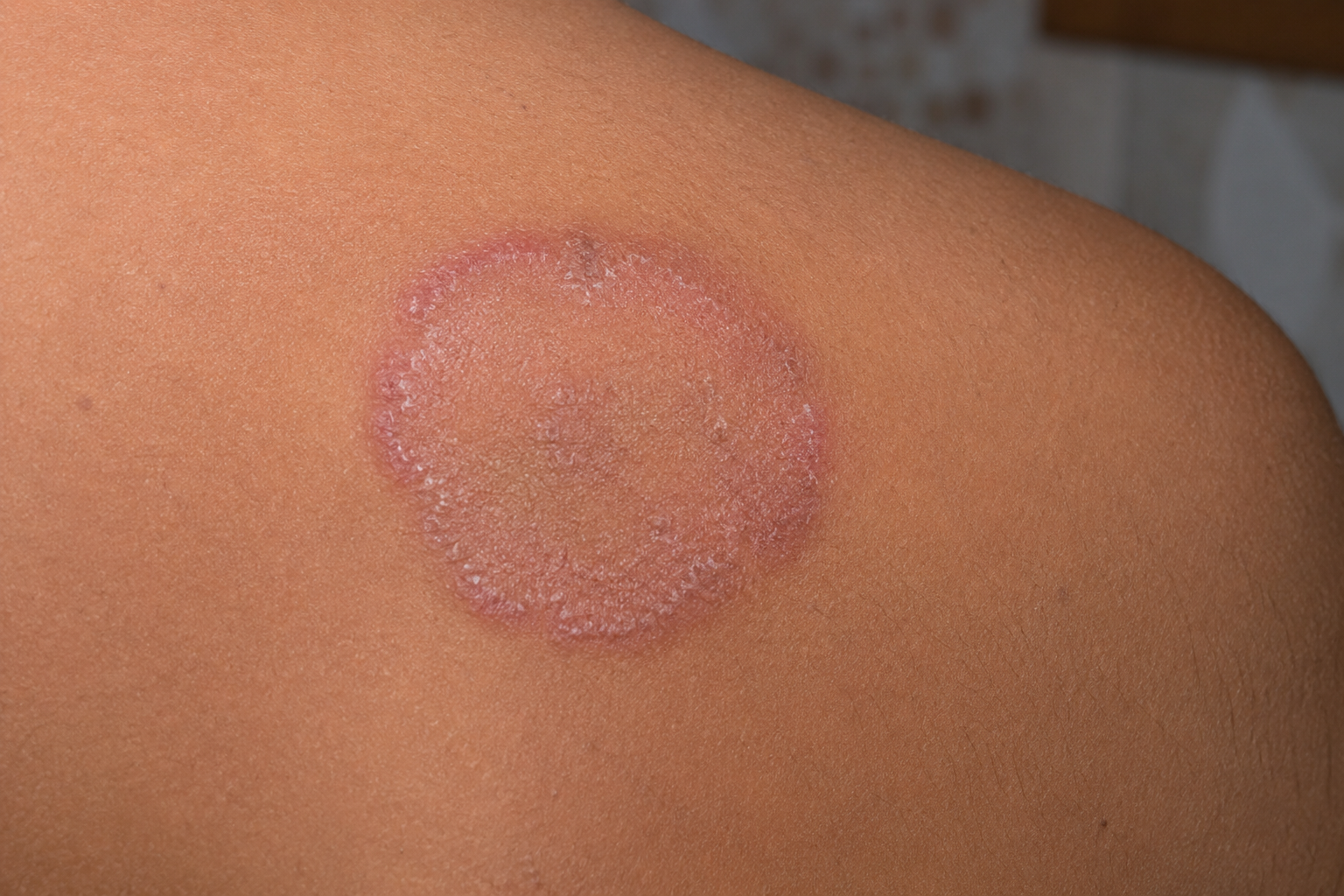
From ringworm to impetigo and viral warts, we offer accurate diagnosis and targeted treatments for all skin infections.
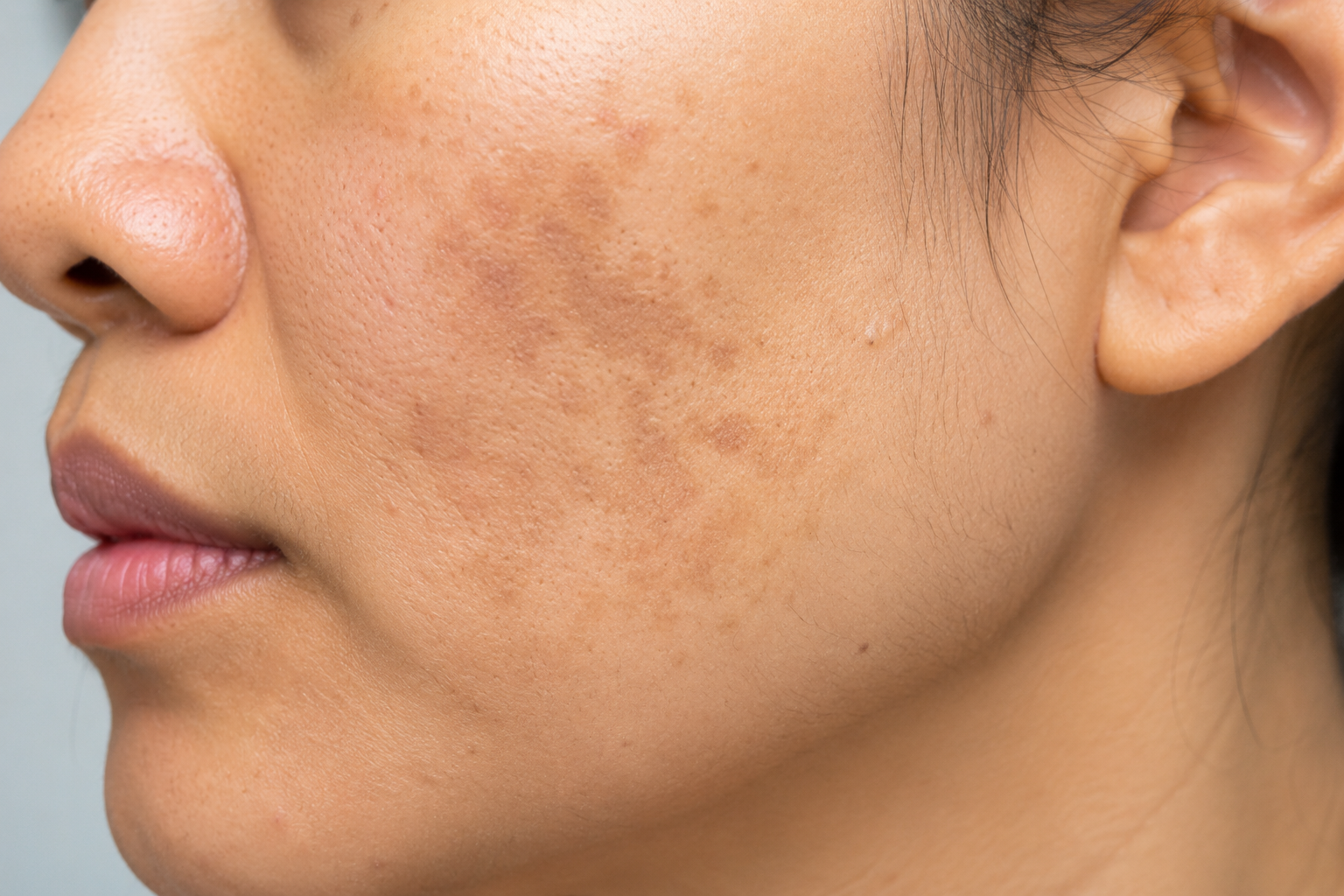
Uneven skin tone, dark patches, and pigmentation concerns addressed with medical and laser-based solutions.
A autoimmune condition causing red, scaly patches, managed with advanced therapies for long-term skin health.
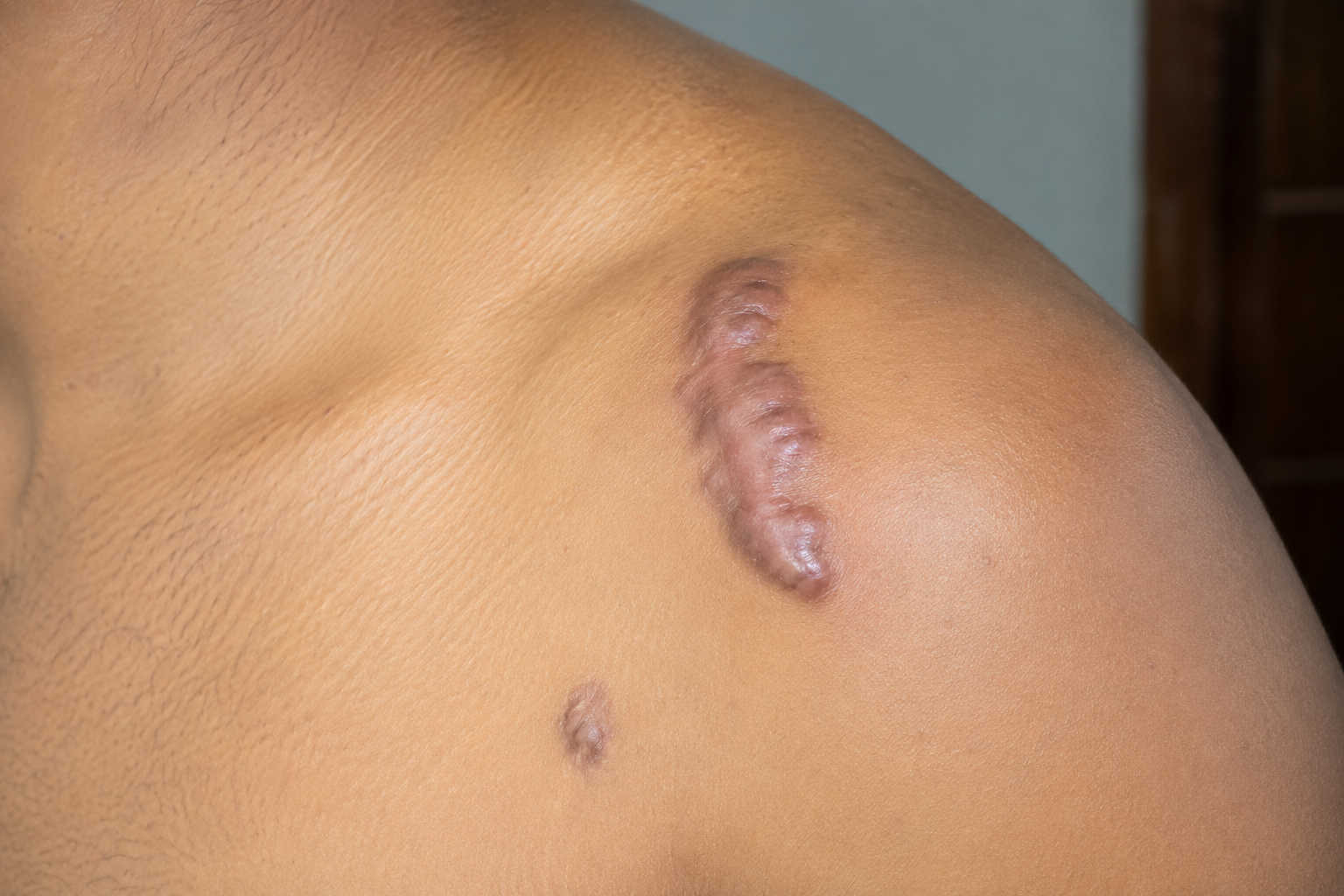
Raised scars and keloids treated with a combination of laser therapy, injections, and minimally invasive procedures.
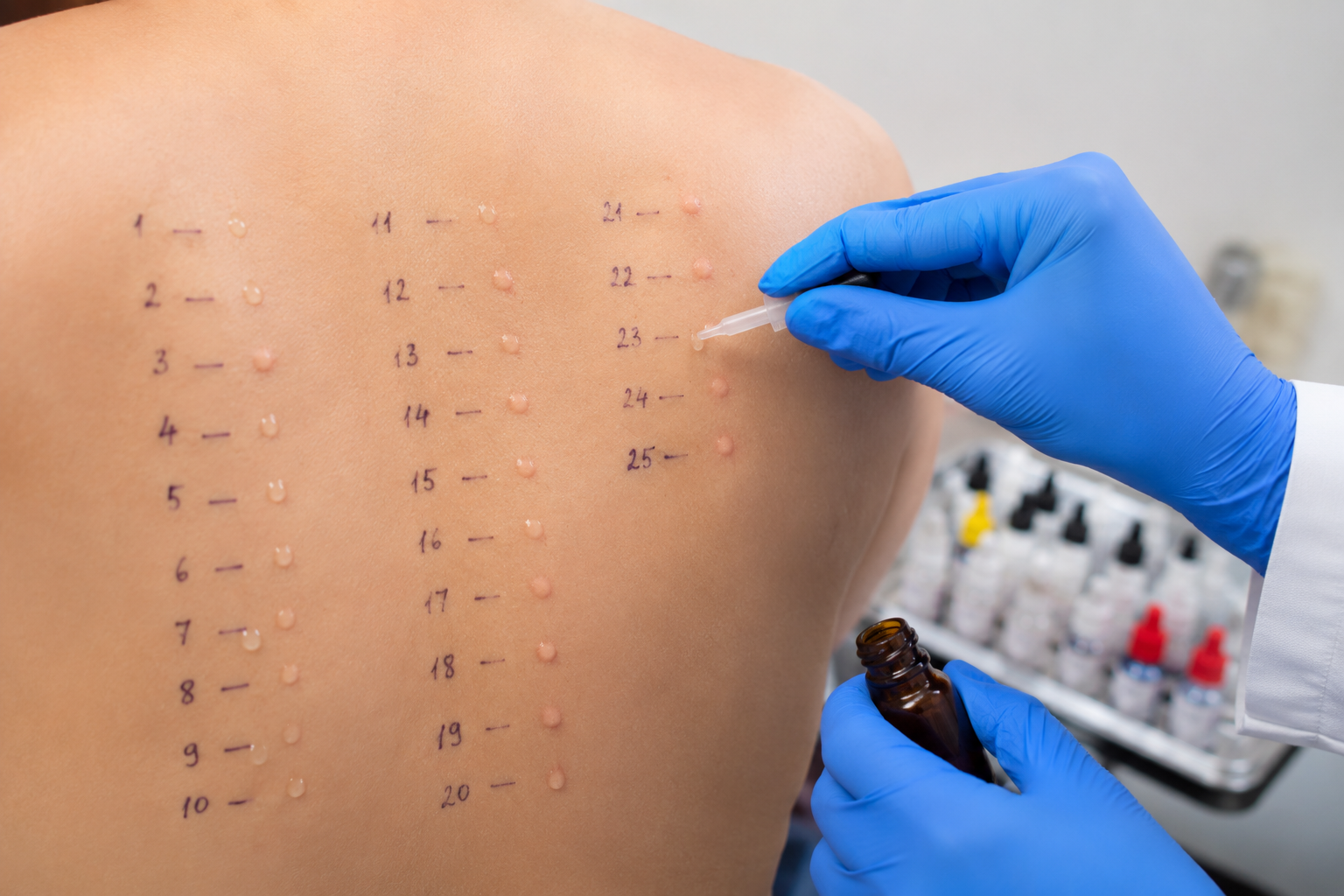
From contact dermatitis to urticaria, we provide allergy testing and customized treatment plans to control flare-ups.
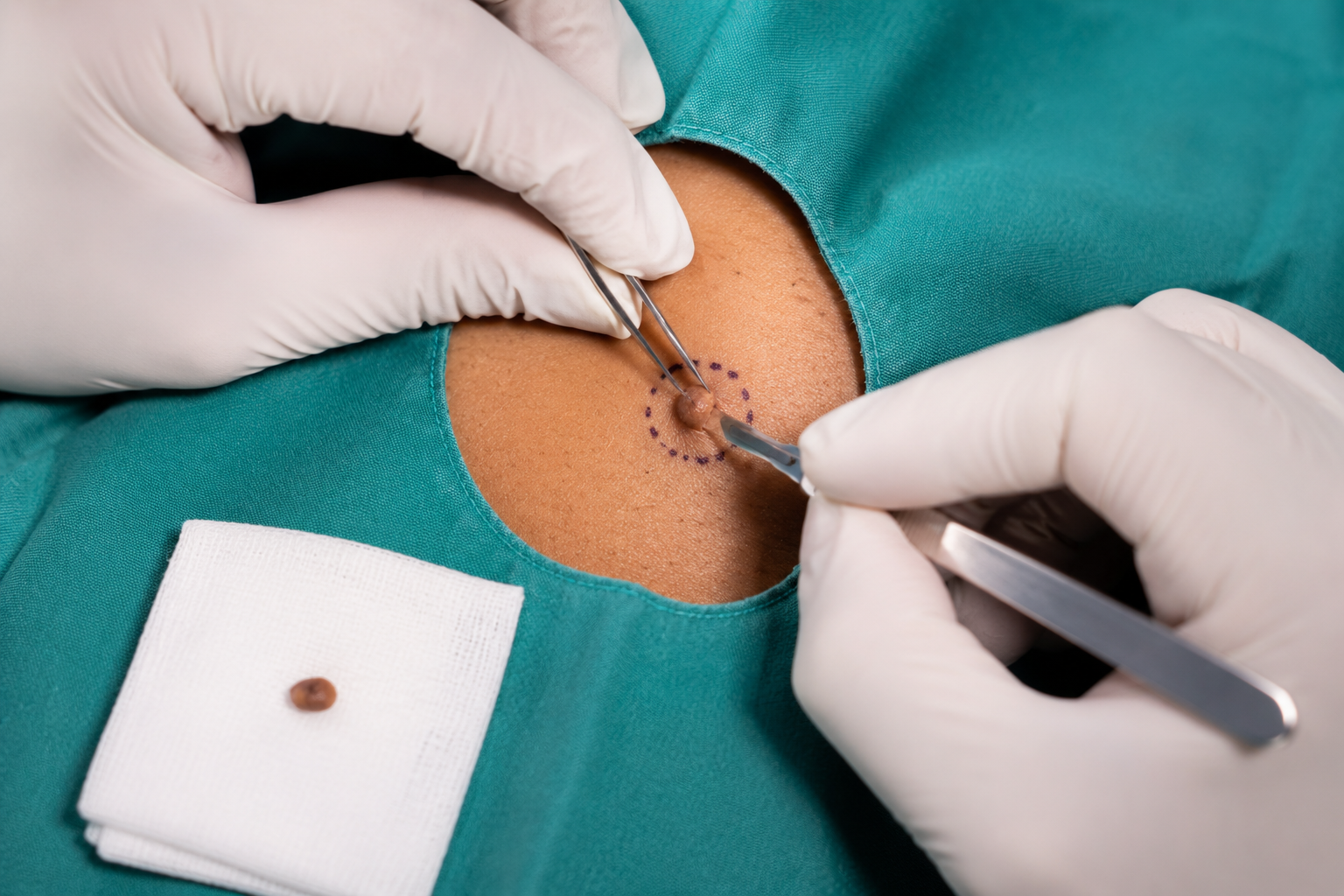
A diagnostic procedure to detect skin diseases, including cancers and chronic skin conditions, ensuring precise treatment.
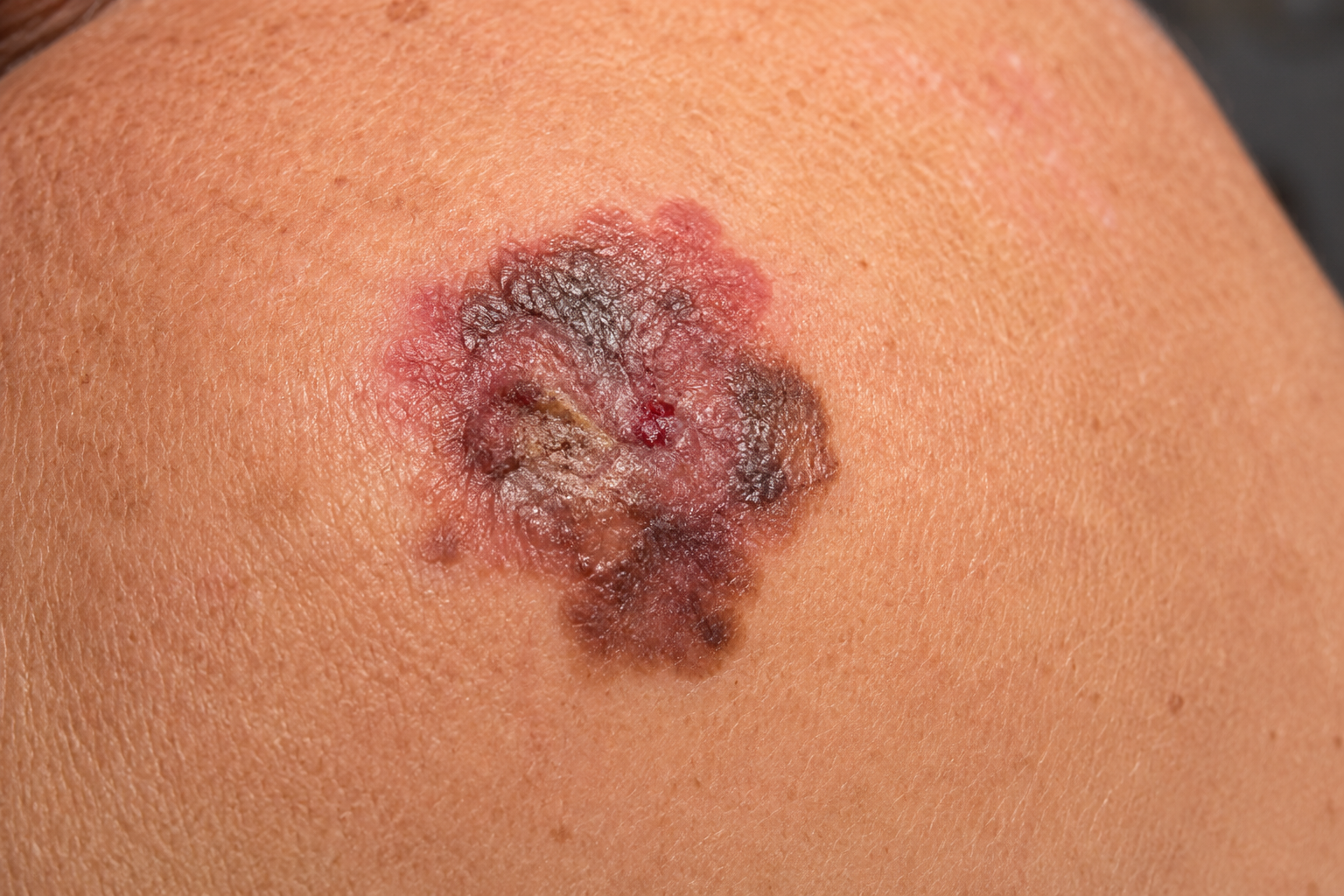
Early detection and advanced treatments for basal cell carcinoma, squamous cell carcinoma, and melanoma.
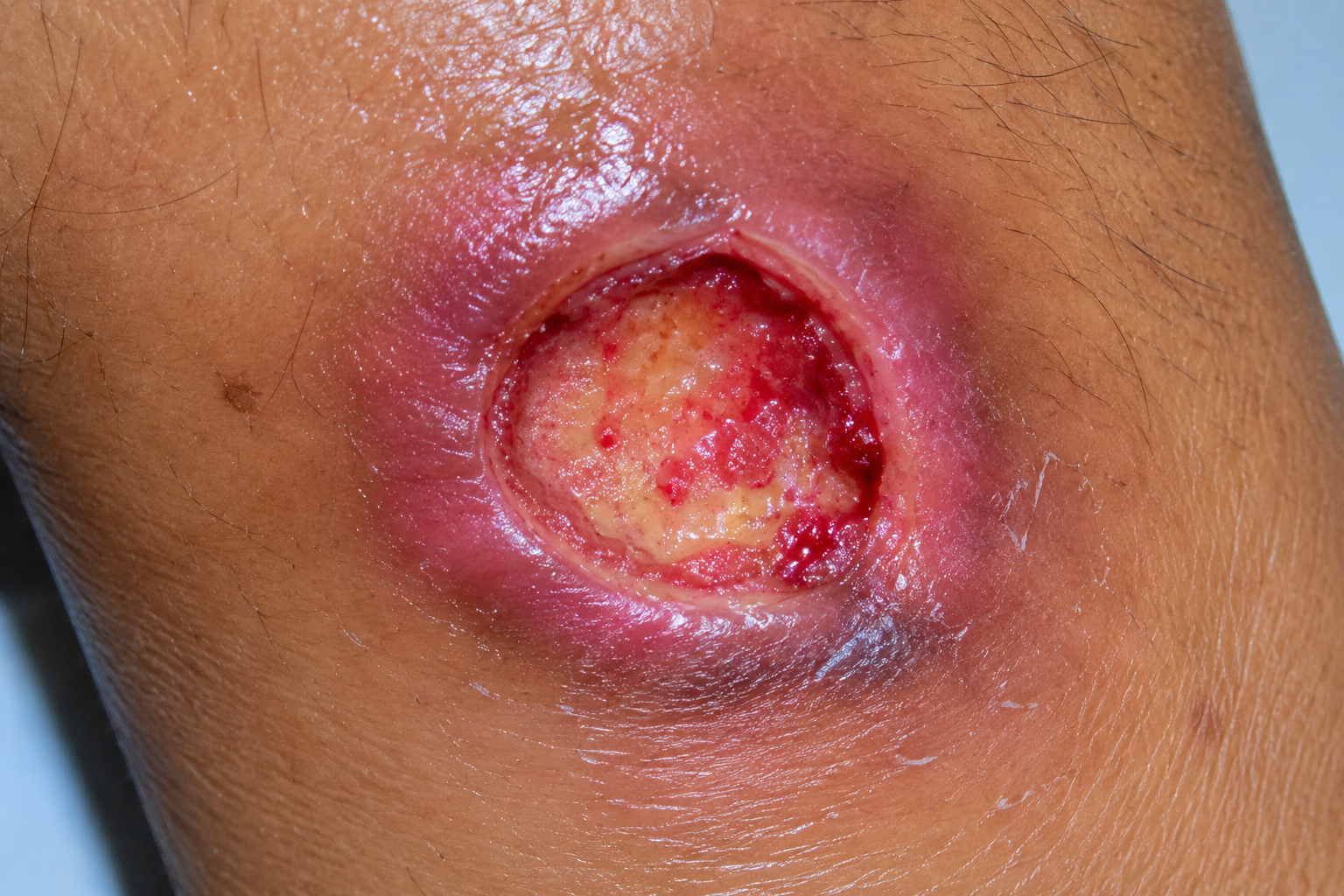
Chronic non-healing wounds treated with modern wound care techniques and regenerative therapies.
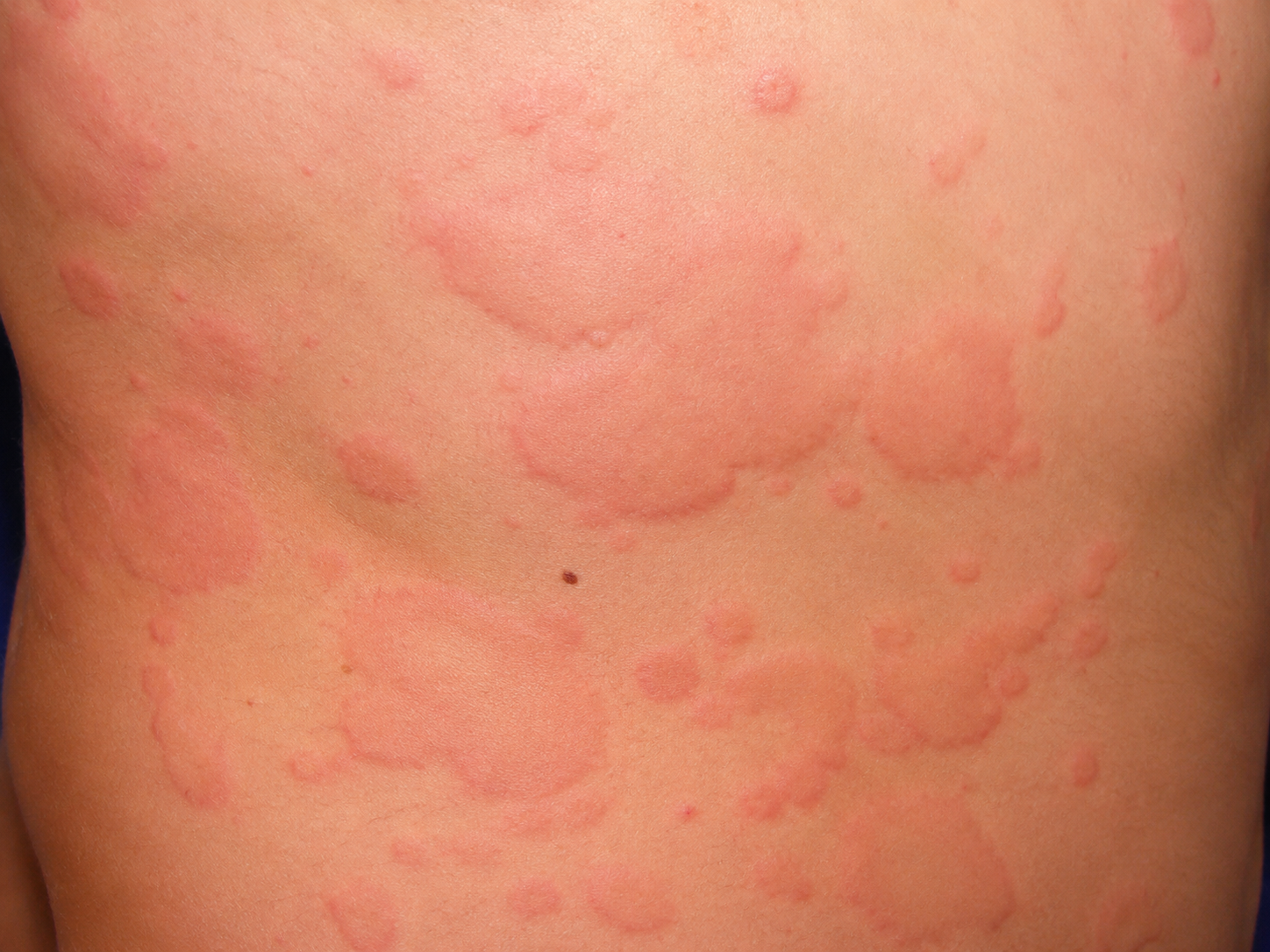
Sudden red, itchy welts caused by allergic reactions or autoimmune triggers, treated with expert-guided therapies.
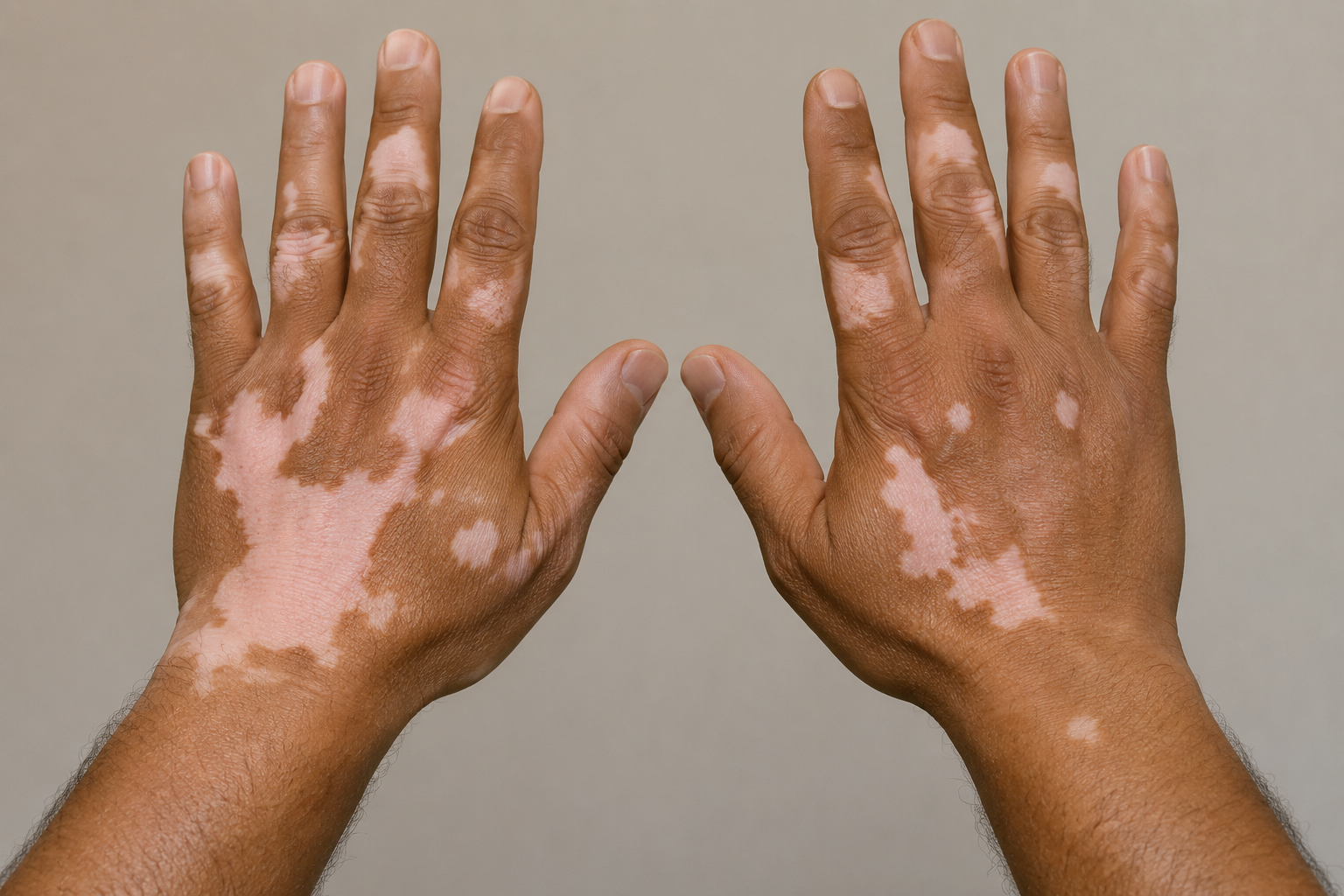
Loss of skin pigment due to autoimmune causes, treated with medical, surgical, and laser therapies.
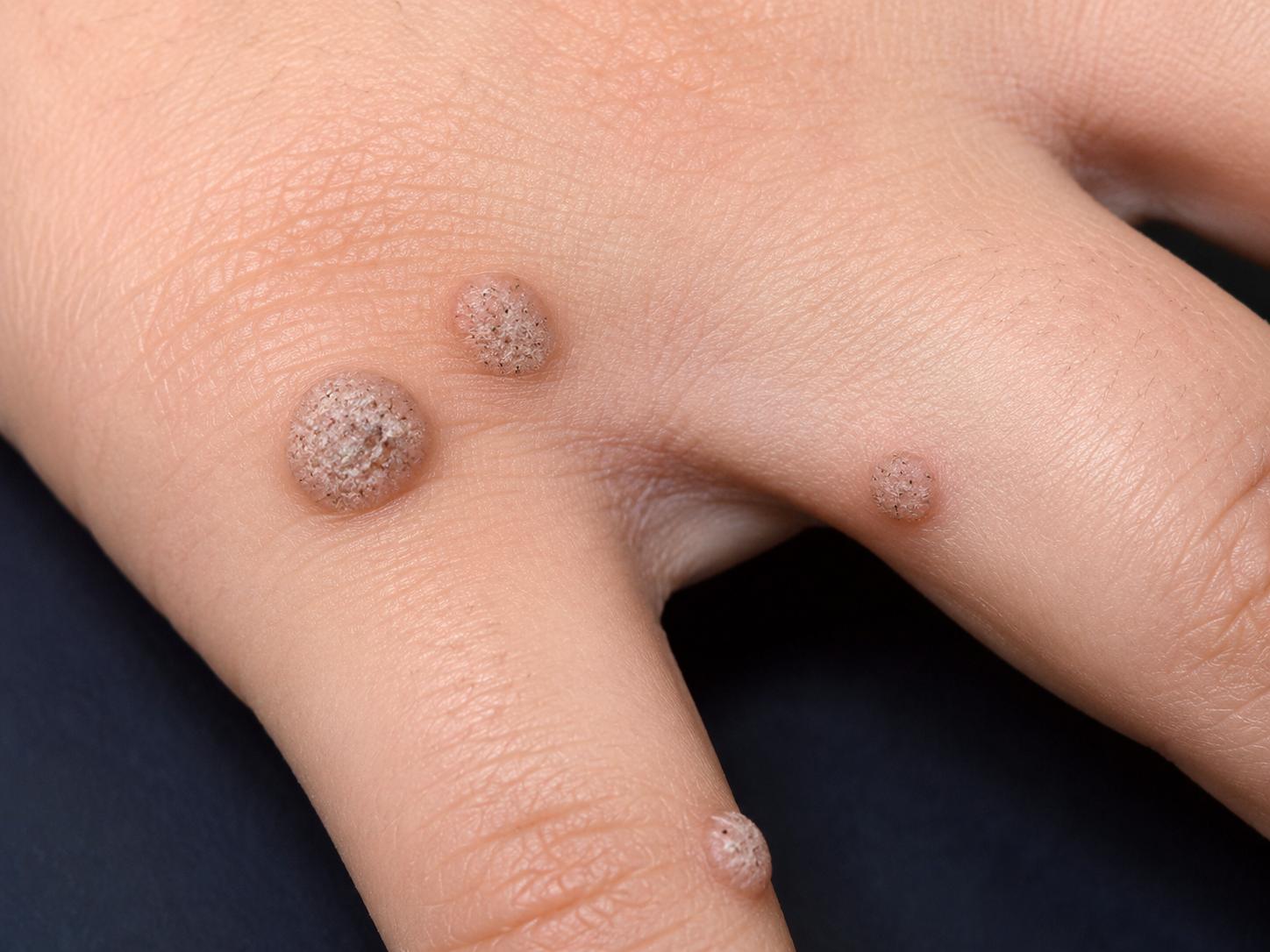
Contagious viral skin growths removed safely with laser, cryotherapy, and electrosurgery options.
Dermatology is the medical field focused on diagnosing and treating skin, hair, and nail conditions. You should see a dermatologist if you experience persistent skin issues, unusual growths, infections, or if you want professional skincare advice.
Healthy skin is maintained through a consistent skincare routine, using the right products for your skin type, staying hydrated, wearing sunscreen, and following a balanced diet. A dermatologist can recommend a personalized skincare regimen tailored to your needs.
Dermatologists diagnose and treat skin allergies by identifying triggers and providing treatments like topical steroids, antihistamines, or immunotherapy. Allergy testing may also be done to determine the exact cause of your reactions.
If you suspect a skin infection, it’s best to seek medical attention promptly. Dermatologists diagnose the type of infection (fungal, bacterial, or viral) and recommend appropriate treatment, such as topical creams, oral medications, or in some cases, surgical intervention.
Yes, all treatments provided by dermatologists are backed by research and are safe when used correctly. Dermatologists assess your specific condition and medical history to ensure the safest and most effective treatment for you.
Yes, dermatology treatments like chemical peels, Botox, and laser therapies can help address aging concerns like wrinkles, fine lines, and age spots. A consultation with a dermatologist can help determine the best course of treatment.
Regular skin check-ups are important, especially if you have a history of skin issues or family history of skin cancer. Annual visits are recommended for most people, but those with specific concerns or a higher risk may need more frequent checks.