Cosmetic Dermatology: How to Choose the Right Treatment for Your Skin
Cosmetic treatments work best when the procedure is chosen for the actual skin concern, not simply because it is trending.

Start with the concern, not the trend
Whether you are considering acne-scar treatment, pigmentation care, skin rejuvenation or another aesthetic procedure, a consultation should come before choosing a treatment package.
What should be assessed?
A clinician can assess your skin type, pigmentation patterns, active acne, scarring, sensitivity and expected outcome. Those factors help determine which treatment options may be appropriate.
Set realistic expectations
Good cosmetic care includes a discussion of expected results, downtime, possible risks, the number of sessions and ongoing skincare. The goal should be a safe, personalised plan rather than a one-size-fits-all procedure.
Popular cosmetic dermatology concerns
Patients commonly seek cosmetic dermatology for acne scars, uneven pigmentation, dull or uneven skin tone, signs of skin ageing and texture concerns. Different concerns may require completely different approaches, so the first step should be identifying what is actually affecting the skin.
How to choose a cosmetic skin treatment
When comparing cosmetic treatments, consider the diagnosis, your skin type, expected results, downtime, number of sessions, possible side effects and aftercare. A professional assessment is especially important for pigmentation and sensitive skin because aggressive treatment is not automatically better treatment.
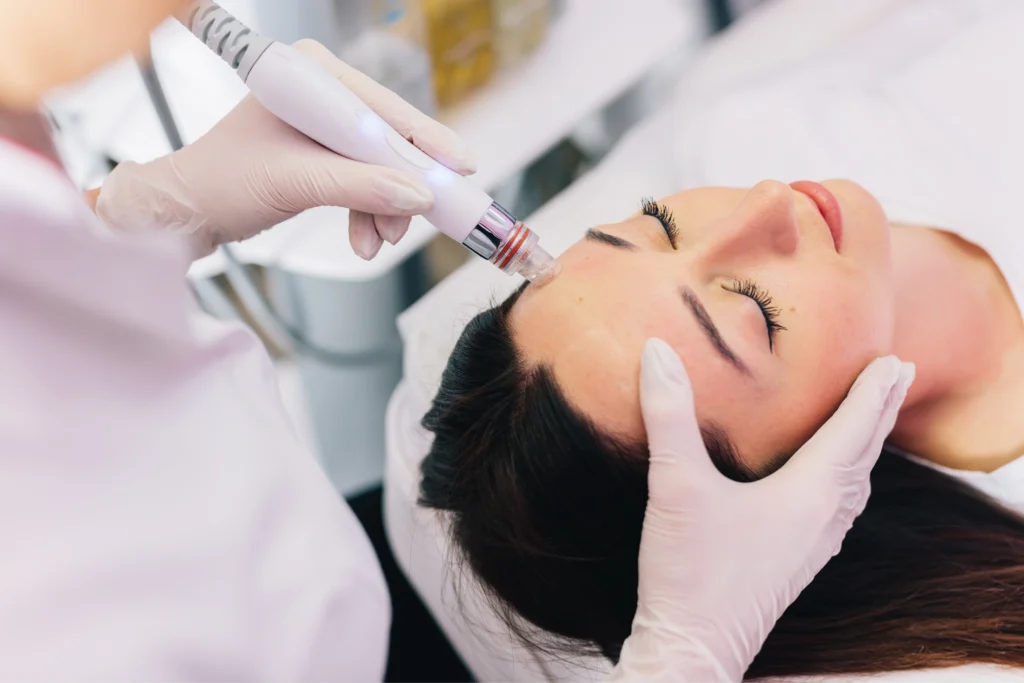
Procedures such as chemical peels, laser-based treatments and other skin-rejuvenation options can be useful for selected patients. The appropriate option depends on the individual assessment and should be chosen with realistic expectations.
Frequently Asked Questions About Cosmetic Dermatology
1. How do I choose the right cosmetic dermatology treatment?
Start with your skin concern, medical history, skin type, goals and acceptable downtime—not a trending procedure. A consultation helps match options to your individual needs.
2. Are cosmetic treatments suitable for every skin type and tone?
Not every procedure is appropriate in the same way for every person. Skin tone, pigmentation tendency, sensitivity and current skin condition should all be considered when planning treatment.
3. Why is a consultation important before a cosmetic procedure?
A consultation allows the clinician to assess the concern, discuss likely benefits and limitations, review risks and alternatives, and help you make an informed decision before treatment.
4. What should I ask before choosing a procedure?
Ask what the procedure is intended to treat, the expected results, possible risks, number of sessions, recovery time, aftercare and whether another option may be more appropriate for you.
5. What side effects or risks should I discuss?
Risks vary by procedure and person. Depending on the treatment, they can include temporary redness, swelling, bruising, pigment changes, infection, scarring or other complications. Your clinician should explain the relevant risks before you proceed.
6. How much downtime should I expect?
Downtime can range from little or none to several days or longer, depending on the procedure and your skin’s response. Your treatment plan should include guidance on when you can return to work, exercise and sun exposure.
7. Can I have a procedure if I have active acne or sensitive skin?
It depends on the diagnosis and procedure. Active inflammation, infection, irritation or a compromised skin barrier may change the timing or choice of treatment, so an assessment is important.
8. How should I prepare for a cosmetic treatment?
Preparation is individual. Tell your clinician about medicines, supplements, allergies, previous procedures and skincare products, and follow the specific pre-treatment instructions you are given.
9. Are results permanent, and will I need repeat sessions?
Some outcomes are temporary and some need maintenance, while others may last longer. The number of sessions and longevity of results depend on the concern, procedure and individual response.
10. How can I choose a qualified provider?
Look for appropriate medical qualifications, experience with the exact procedure and your skin type, a clear explanation of risks and aftercare, and a treatment plan that is tailored rather than rushed.
Aura Cutisurg Clinic provides doctor-led cosmetic and dermatology consultations in Malleshwaram, Bengaluru.