
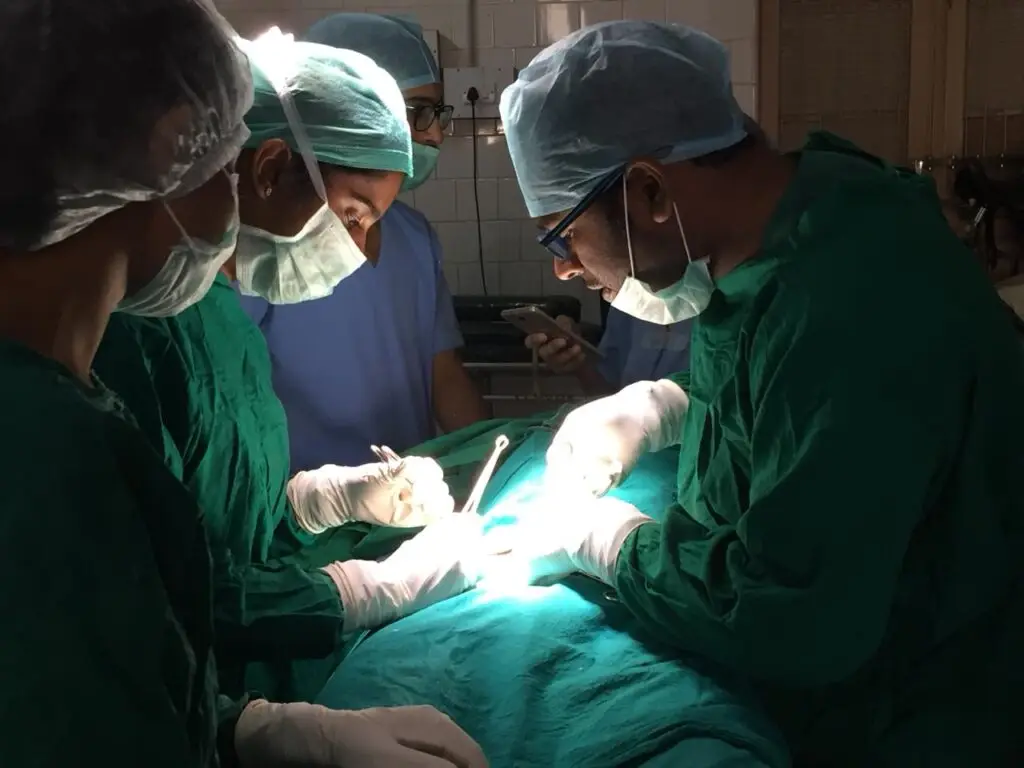
Choosing a General Surgeon: What Patients Should Know Before a Procedure
When surgery is recommended, the quality of diagnosis, surgical planning, safety protocols and follow-up care matters just as much as the procedure itself.
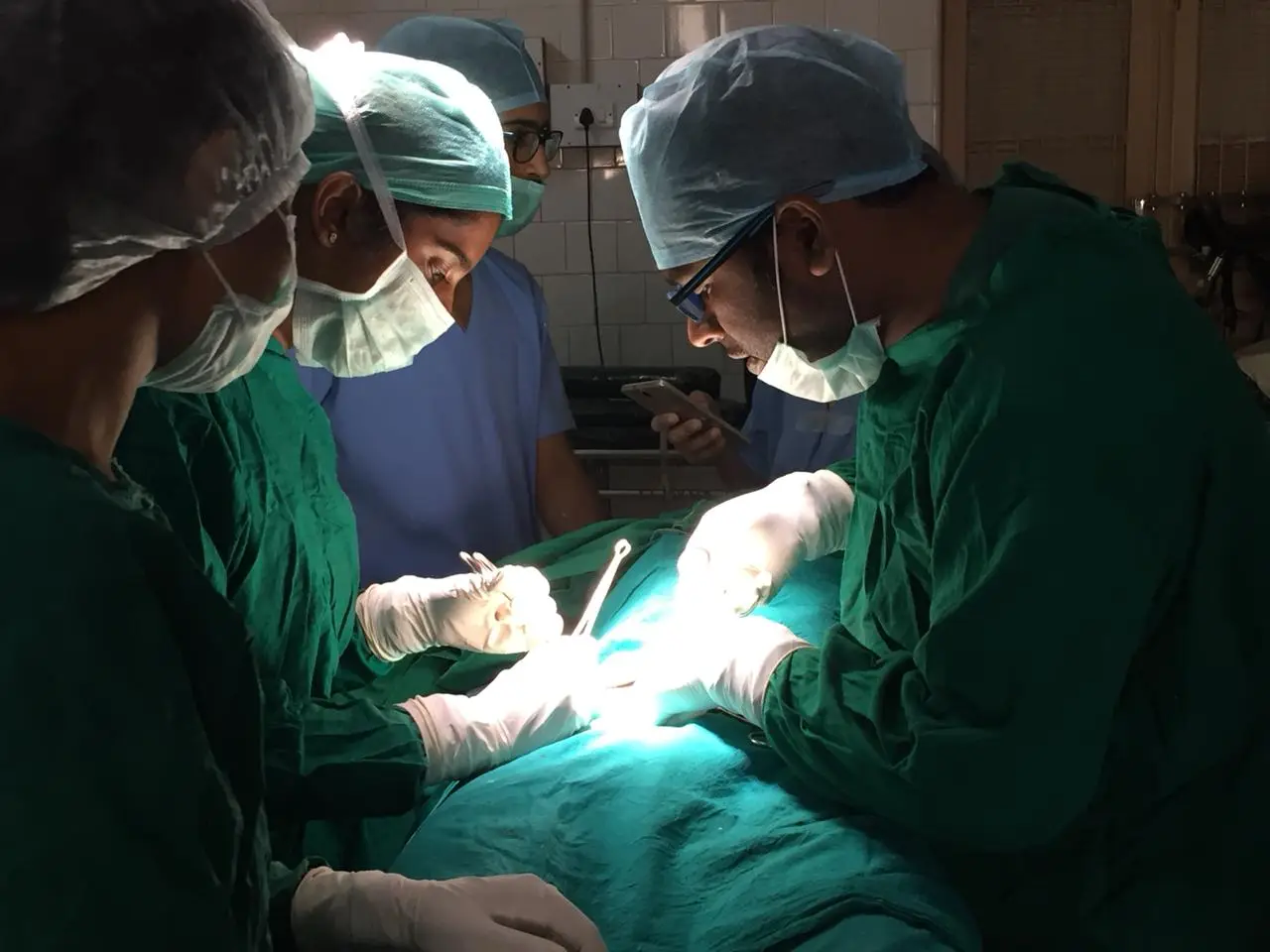
Questions to ask before surgery
- What is the diagnosis and why is surgery being recommended?
- Are there non-surgical alternatives in your case?
- What preparation is required before the procedure?
- What should you expect during recovery and follow-up?
Why surgical planning matters
The appropriate procedure depends on the diagnosis, medical history, symptoms and the surgeon’s assessment. A detailed consultation helps patients understand the treatment plan, expected recovery and possible risks.
Aftercare is part of the treatment
Follow-up instructions, wound care, activity restrictions and review appointments can all be important to recovery. Your surgeon should explain what to expect and when to seek further medical attention.
How to prepare for a general surgery consultation
Bring relevant medical records, previous reports, a list of current medicines and details about your symptoms. Tell the surgeon about important medical conditions, allergies and previous operations so the consultation can support safer planning.
Choosing a general surgeon in Malleshwaram
When choosing a general surgeon, consider qualifications, relevant surgical experience, the quality of the consultation, clarity about alternatives and risks, and the availability of follow-up care. The right choice should be based on your diagnosis and individual needs rather than a procedure name alone.
If surgery is recommended, ask what the procedure involves, what preparation is needed, how recovery is expected to progress and which symptoms after surgery should prompt medical attention. Clear communication is an important part of informed surgical care.
Frequently Asked Questions About General Surgery
1. How do I know whether surgery is necessary?
The need for surgery depends on the diagnosis, symptoms, examination findings and available alternatives. Your surgeon can explain why a procedure is being considered and what may happen with or without it.
2. Are there alternatives to surgery?
In some situations, non-surgical treatment, observation or a different procedure may be appropriate. Ask your surgeon which options are relevant to your condition and why one approach is recommended.
3. What preparation might be needed before surgery?
Preparation varies by procedure and health history. It may include tests, fasting instructions, medication adjustments and planning for transport or support at home. Follow the instructions given by your surgical team.
4. Should I stop my regular medicines before surgery?
Do not stop or change prescription medicines, blood thinners, vitamins or supplements without specific advice. Share a complete medication list with your surgical and anaesthesia teams well before the procedure.
5. What type of anaesthesia will be used?
The type of anaesthesia depends on the operation, your health and other clinical factors. Your team can explain the options, monitoring and what to expect before, during and after the procedure.
6. How long will recovery take?
Recovery varies with the procedure, your overall health and the nature of the condition being treated. Your surgeon can give a more useful estimate for pain control, activity, diet, wound care and return to work.
7. What symptoms should I report after surgery?
Your team will give procedure-specific instructions. Contact them promptly if you have concerning or worsening symptoms, and seek urgent care for an emergency as advised by your care team or local emergency services.
8. How should I care for my wound after surgery?
Follow the wound-care plan provided by your surgeon. This includes instructions about dressings, bathing, activity and follow-up; do not rely on general online advice instead of your own post-operative instructions.
9. When can I return to normal activity or exercise?
Restrictions are specific to the operation and recovery progress. Ask about lifting, driving, work and exercise before you leave, and confirm any changes at follow-up.
10. Why are follow-up appointments important?
Follow-up helps your surgical team monitor healing, review symptoms, answer questions and adjust your care plan when needed. Keep the appointment and bring any concerns or medication questions with you.
Aura Cutisurg Clinic provides surgical consultation and care in Malleshwaram, Bengaluru.