
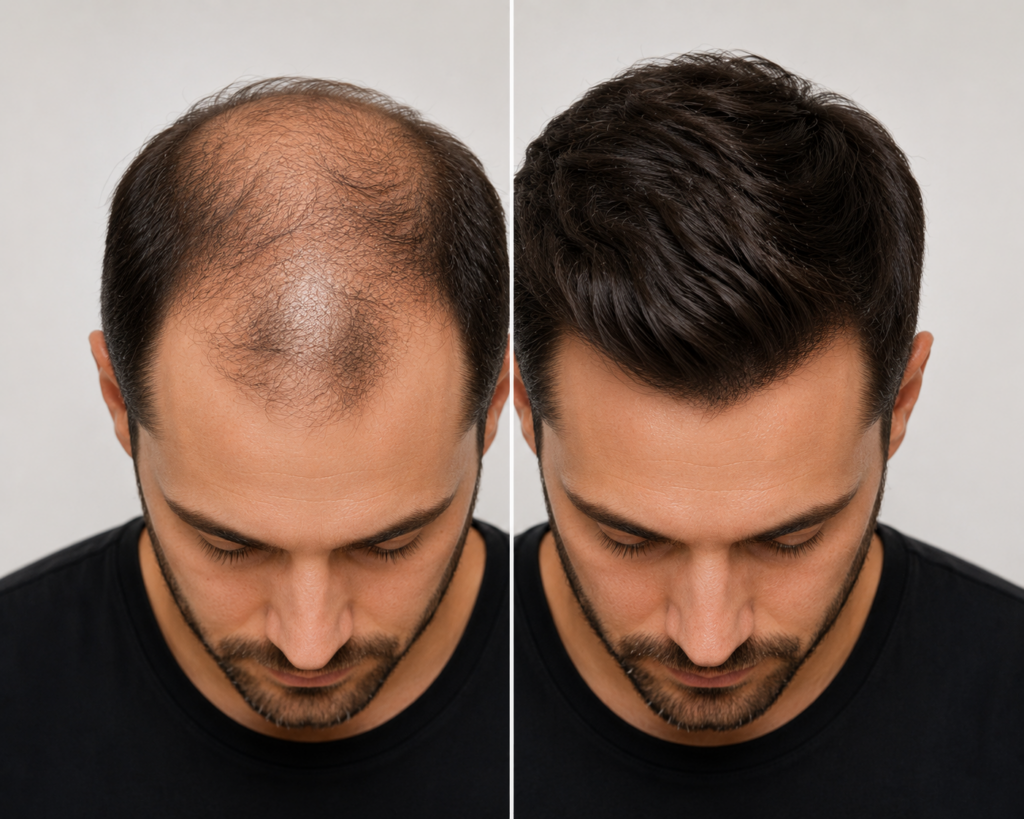
Hair Fall in Bengaluru: Common Causes and When to See a Hair Specialist
Hair fall can have many causes, from temporary shedding and scalp conditions to hormonal, nutritional and genetic factors. Finding the cause is the first step.
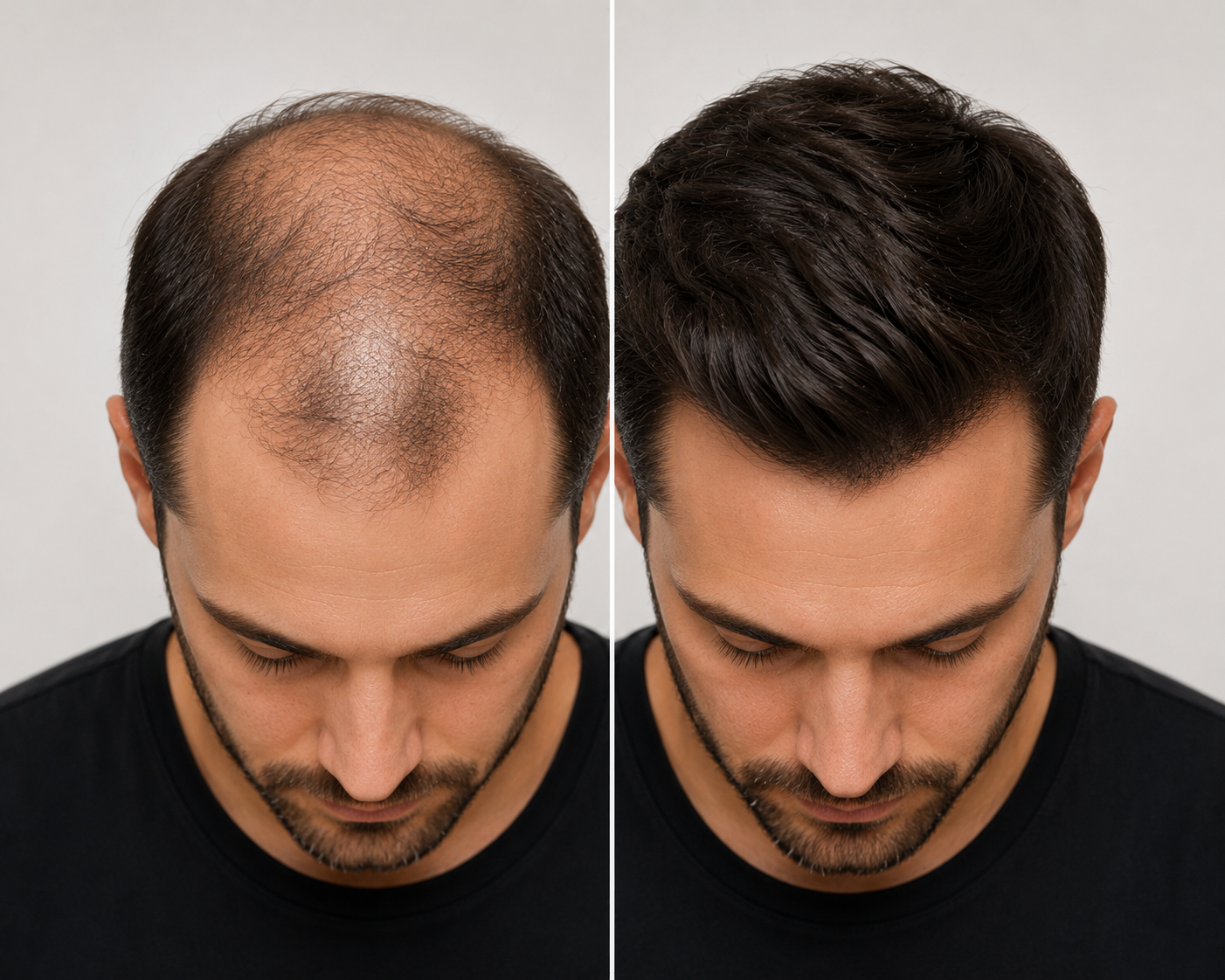
Why is hair fall happening?
Increased shedding can be linked to stress, illness, nutrition, hormonal changes, genetics or scalp problems. The pattern and duration of hair loss often provide important clues.
When should you get evaluated?
Consider a professional consultation if hair thinning is progressing, the scalp is becoming visible, there is patchy hair loss, or you also have itching, scaling or other scalp symptoms.
Why a proper assessment matters
A hair specialist can review your history, examine the scalp and decide whether further evaluation is required. Treatment depends on the diagnosis and may differ substantially between temporary shedding, pattern hair loss and inflammatory scalp conditions.
Common causes of hair fall
Hair shedding can follow stress, illness, major lifestyle changes or nutritional deficiencies. Some people develop gradual pattern hair loss because of genetic and hormonal factors, while others have scalp inflammation or another underlying condition. Because these causes can overlap, copying another person’s hair loss treatment may not address the real problem.
A dermatologist or trichology specialist may assess the pattern of hair loss, scalp health, medical history and other relevant factors before recommending treatment. Depending on the diagnosis, management can include medical treatment, scalp care, nutritional correction when indicated, or procedures when clinically appropriate.
Hair fall treatment should start with diagnosis
There is no universal hair fall treatment that works for every type of hair loss. A personalised plan is more useful than changing shampoos or supplements repeatedly without understanding the cause. Early assessment can also be valuable when thinning is progressive because some forms of hair loss respond better when addressed sooner.
Frequently Asked Questions About Hair Fall
1. What are common causes of hair fall?
Hair fall can be linked to genetic pattern hair loss, recent illness or stress, nutritional factors, hormonal changes, scalp conditions, some medicines and hair-care practices. More than one factor can be involved, so the pattern and timing matter.
2. Is some daily hair shedding normal?
Some shedding is part of the normal hair-growth cycle. It is worth seeking advice when shedding is noticeably increasing, thinning is progressing, or your scalp is becoming more visible.
3. When should I see a hair specialist?
Arrange an assessment for sudden or patchy hair loss, progressive thinning, scalp itching or scaling, pain, redness, or hair loss that is causing concern. Early assessment can help identify the cause and next steps.
4. Can stress cause hair fall?
Physical or emotional stress can be associated with increased shedding in some people. Because hair loss has many possible causes, a consultation can help determine whether stress is the likely explanation or whether other factors need attention.
5. Can diet or nutritional deficiencies affect hair?
Nutritional factors may contribute to hair shedding in some situations, but supplements are not a universal solution. A clinician can advise whether dietary review or testing is appropriate based on your history and examination.
6. Do shampoos and hair oils treat all types of hair loss?
No. Gentle hair care may support scalp and hair health, but treatment should match the diagnosis. Products that help one concern may not address another cause of thinning or shedding.
7. Can hair grow back after hair fall?
The outlook depends on the cause, how long it has been present and the condition of the follicles. Some forms of shedding improve when the trigger is addressed, while other forms may need ongoing medical management.
8. Will I need blood tests or a scalp examination?
Not everyone needs the same tests. A dermatologist may recommend a scalp examination, blood tests or other evaluation when your symptoms, history or hair-loss pattern suggest they would be useful.
9. How long does hair-loss treatment take to show results?
Hair grows slowly, so improvement often takes time and follow-up. Your clinician can explain realistic timelines for your diagnosis and the treatment being considered.
10. Can tight hairstyles contribute to hair loss?
Hairstyles that repeatedly pull on the hair can contribute to traction-related hair loss. Reducing tension and seeking advice early is sensible if you notice breakage, thinning around the hairline or scalp discomfort.
Aura Cutisurg Clinic offers consultation for hair and scalp concerns through its dermatology and trichology services in Bengaluru.