
Connective Tissue Disorder Skin Care in Malleshwaram, Bangalore
Connective tissue disorders can affect skin texture, colour and elasticity, and some may involve other body systems. Early, careful evaluation is important.
When should you see a dermatologist?
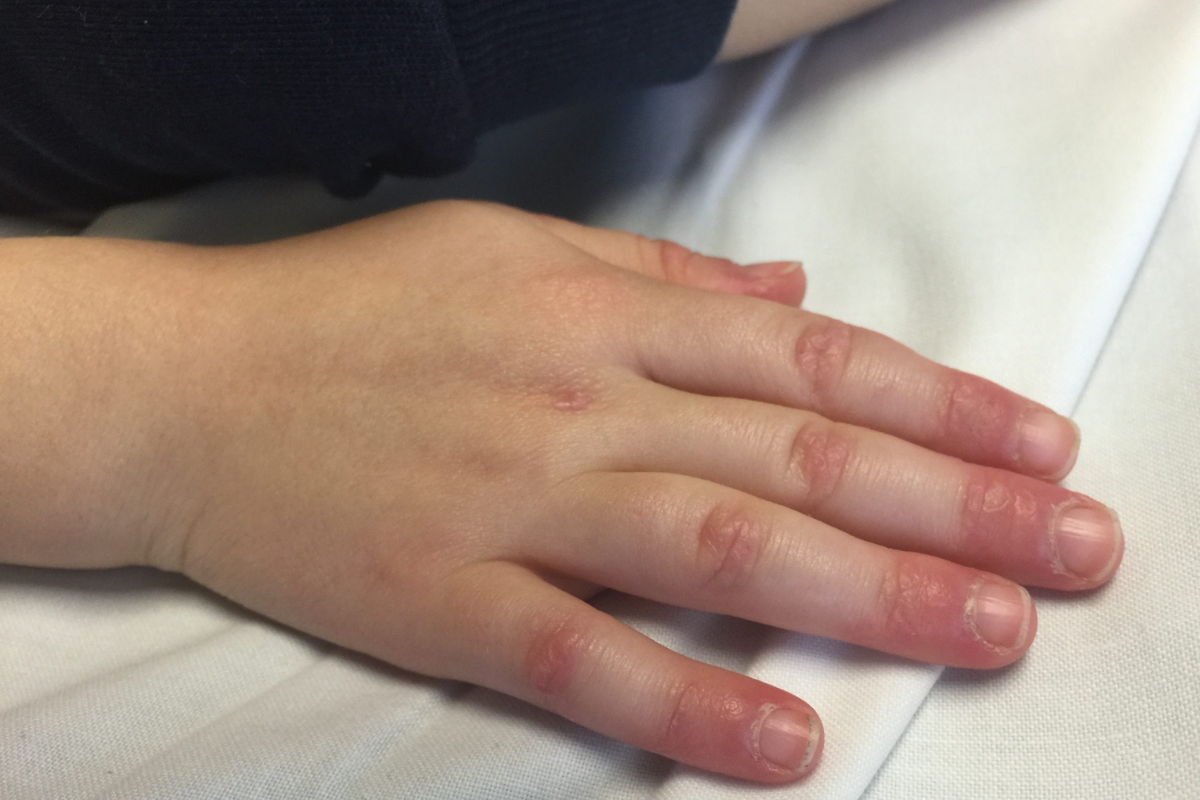
skin tightening, colour changes, unusual sensitivity to cold, persistent rashes or joint-related symptoms can be worth discussing with a dermatologist, especially if symptoms are new, recurring, spreading or affecting comfort and confidence.
Why diagnosis matters
Dermatology assessment can help identify skin findings and coordinate care with relevant specialists when needed.
Common signs that should not be ignored
- Symptoms that are painful, persistent, new or worsening.
- Changes that affect comfort, confidence, sleep or day-to-day activities.
- Repeated flares or symptoms that do not settle with a gentle routine.
- Any mole, growth, patch or lesion that changes in size, colour, shape or appearance.
Connective Tissue Disorder Skin Care: what patients should know
It may be influenced by the underlying connective tissue condition and associated inflammation. Because skin concerns can look similar, an accurate assessment helps avoid unnecessary products and delayed care.
Use a gentle routine, avoid picking or trying harsh treatments, and note when symptoms began and what seems to make them better or worse. Bringing photos of intermittent symptoms may also help.
Aura CutiSurg Clinic provides doctor-led dermatology consultations for patients in Malleshwaram and nearby Bengaluru areas.
Frequently Asked Questions About Connective Tissue Disorder Skin Care
What is Connective Tissue Disorder Skin?
It is a concern best assessed in the context of your skin, symptoms and health history. A dermatologist can explain the diagnosis clearly after examination.
What signs should I watch for?
Look out for skin tightening, colour changes, unusual sensitivity to cold, persistent rashes or joint-related symptoms. New, changing, painful or persistent symptoms should be assessed rather than self-treated.
When should I see a dermatologist?
Book an appointment when symptoms are recurring, worsening, uncomfortable, affecting daily life, or not improving with a gentle routine.
How is it assessed?
Assessment usually starts with a discussion of your symptoms, medical history and a close skin examination. Tests are advised only when they help clarify the diagnosis.
What happens at the first consultation?
The dermatologist listens to your concerns, examines the affected area and explains suitable next steps in clear language.
Can it be managed?
Many skin concerns can be managed with an individual plan. Dermatology assessment can help identify skin findings and coordinate care with relevant specialists when needed.
Can it come back?
Some skin concerns can recur depending on the underlying trigger or condition. Follow-up and practical prevention advice can help.
Should I try home remedies?
Avoid harsh, unverified or strong products, especially on irritated or broken skin. They can delay an accurate diagnosis or worsen irritation.
When is urgent medical care needed?
Seek urgent care for rapidly spreading redness, severe pain, fever, widespread blistering, breathing difficulty, facial swelling or a rapidly worsening wound.
How do I book an appointment in Malleshwaram?
Visit Aura CutiSurg or call +91 63639 66571 to request an appointment.